In the beginning was Al Michael, and Al Michaels was with Sports, and Al Michael was Sports. Through him all broadcasts were made; without him nothing was made. In him was fandom, and that fandom was the light of all fankind.
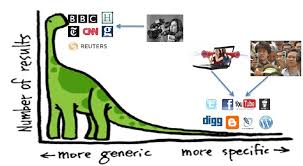
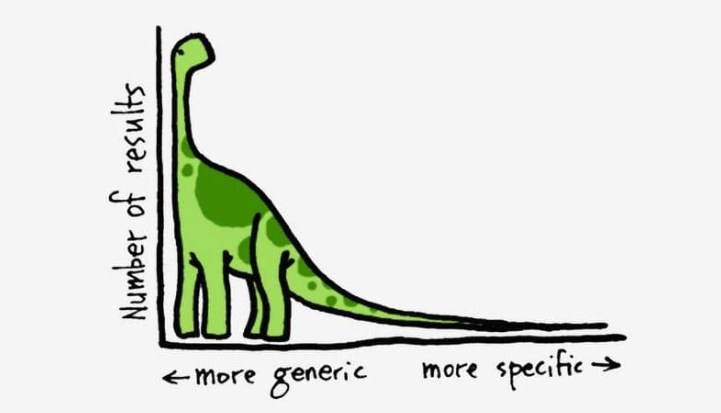
The modern history of media has been one of broad distribution platforms being fragmented by a long tail of niche “creators.”
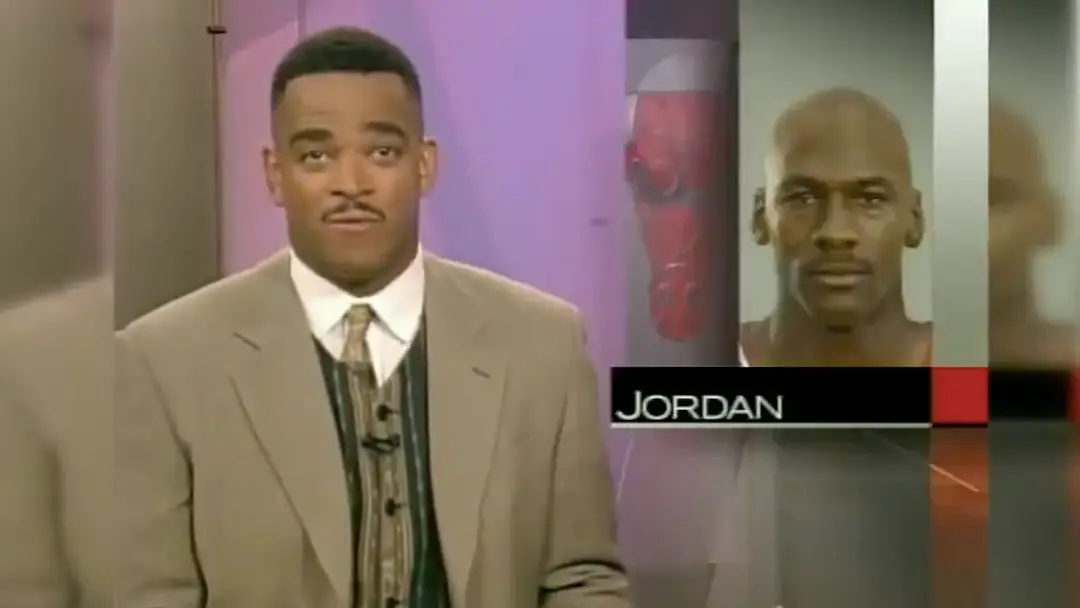
Early sports broadcasting thrived with voices like Al Michael, who is a national treasure. We added the Mannings, who are also national treasures. But the time has come for everyday fans to expand and dissect audiences to drive tailored fan experiences.
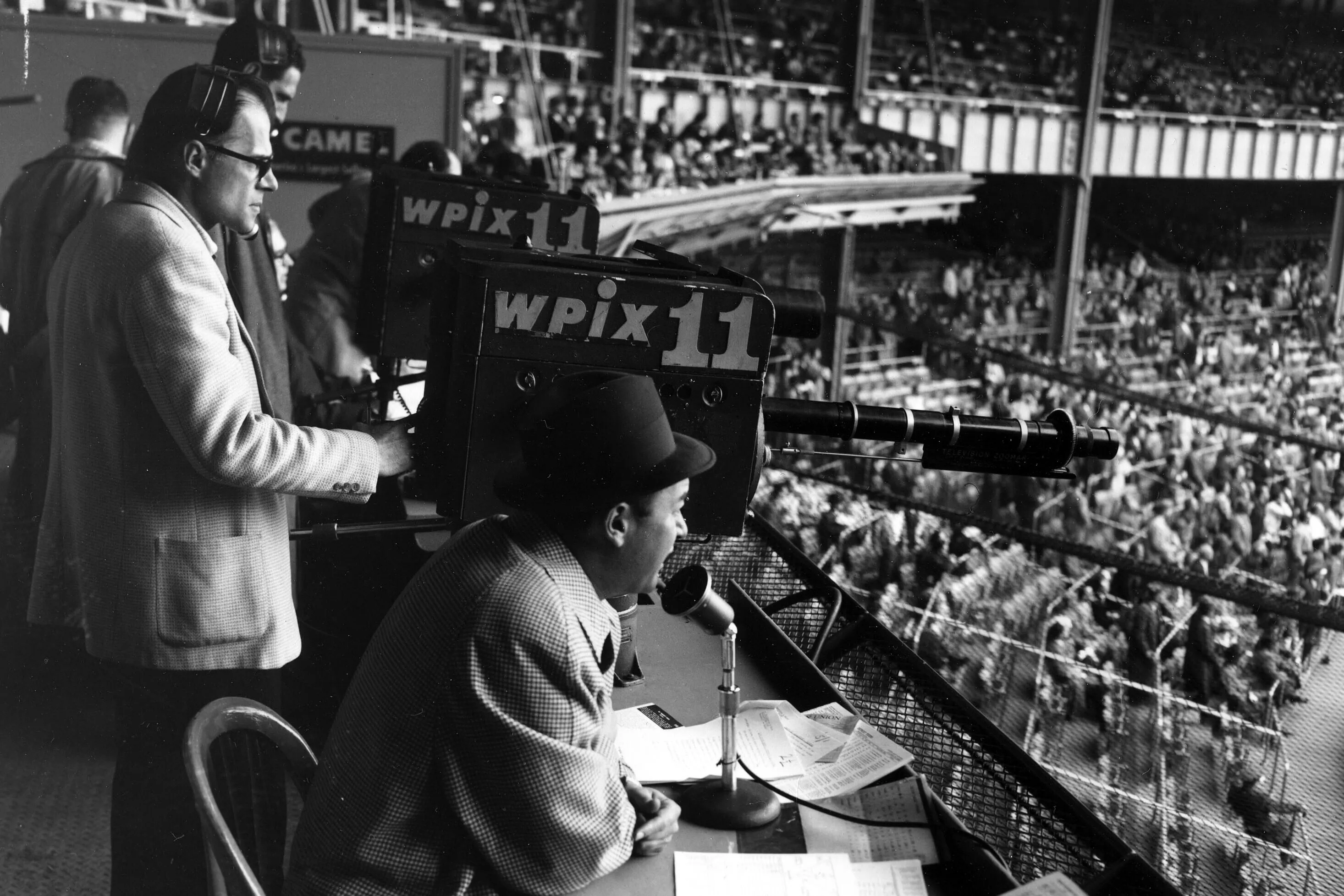
In 1920, the MLB innovated by broadcasting on the radio. With limited radio frequencies and small radio adoption, this was sufficient to let their games reach new audiences.
Today, when watching on a SmartTV or OTT service, we are still stuck with the same announcer. And it turns out that most fans don’t like it because fans are not all the same.
Why do all fans have to settle for a singular experience? The broadcast is relegated to a lowest-common-denominator product, appealing to everybody and therefore nobody.
For example, 20 million people watch Al Michaels call Thursday Night Football. What if we thought about that audience as 1,000 clusters of 20,000 fans.
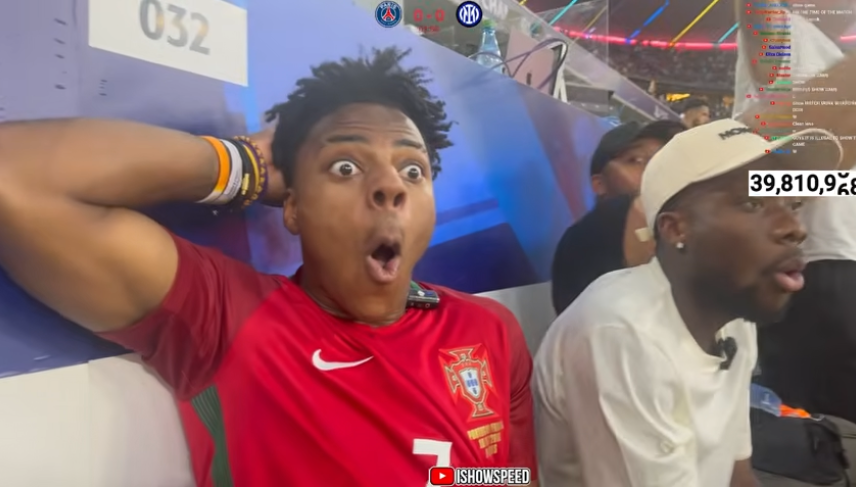
One for the Bills Mafia. One for Chiefs Nation. One for Chiefs fans that focuses on sports gambling – a “bet with me” broadcast. Or a Bills gambling channel in Spanish? Or some random concept that nobody has thought of yet. A stream “tailored” for the Swifties?
This is the long tail.
If leagues want to engage fans, they need to meet fans on their terms with a variety of options. And if leagues don’t, they will continue to concede attention to TikTok.